Nereid Monument
In Greek mythology, Nereid is the daughter of the sea gods Neris and Doris, who help sailors in the face of fierce storms. This monument comes from Kesantos in Lysia (now near Fetshiya, Türkiye), and was built about 390-380 BC. It is believed to have been built in memory of Arbinas, a member of the Cthulhu dynasty that ruled Silesia under the Achaemenid Empire. The form of this monument is a Greek temple located on a pedestal decorated with carved reliefs.
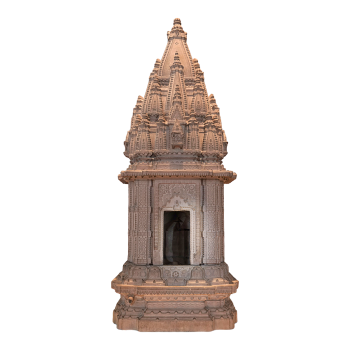
Ś iva Temple Indian Sandstone Model
This is a red sandstone model of the Temple of Shiva, hidden in the British Museum, with Linga inside. There is a short elephant headed statue on the lintel above the door. This model was made between the 18th and 19th centuries. Ś iva is one of the main deities in Hinduism, primarily worshipped by followers of the Indian Shiva religion.

Statues of Ancient Asia
Ancient Asia was the ruler of the city-state of Lagash, ruling from 2144 BC to 2124 BC. His statue shows a very exquisite level of craftsmanship at that time. These statues were commissioned by Ancient Asia, who was dedicated to rebuilding the large temple of Lagash and installing his own statue in it. This sculpture is currently housed in the British Museum.

Ancient Indian marble temple columns
This marble temple column originated from the Jain temple in ancient India, where Jainism is an ancient religion and its community mainly engages in commercial and banking activities. This cultural relic is currently housed in the British Museum.

Anglo Saxon cremation urn
This cultural relic was unearthed on Mount Love in Lincolnshire, England. It is 155mm high and 180mm in diameter. There is a rune inscription (Si 동æ b æ d - a person's name) on this urn, which is one of the earliest Old English scripts. This cultural relic is currently housed in the British Museum.

Sculpture of King Idrim
This statue depicts the 15th century BC Alalakh (Türkiye place name) King Idrimi. In 1939, the British explorer Sir Leonard Woolley found this statue in a temple. After the destruction of Alalakh in 1200 BC, the statue was buried in a pit. The statue is engraved with vivid descriptions of Idemi's life and achievements, including the events that led to his escape from Syria and the circumstances that led to his spectacular return. This inscription is considered one of the most important cuneiform inscriptions discovered so far. This sculpture is currently housed in the British Museum.

Popular Models
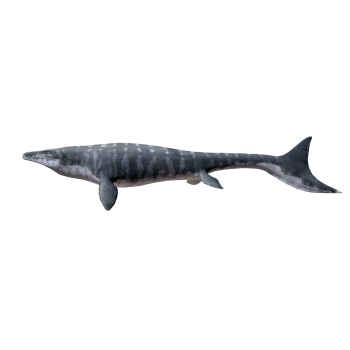
Hoffman Canglong (3D animated model)
135 View
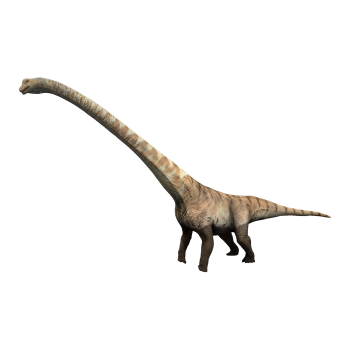
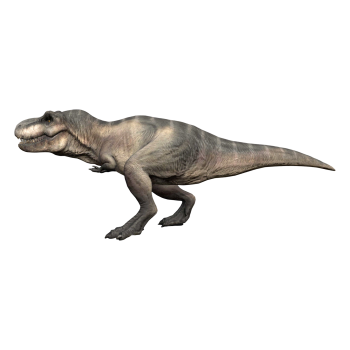
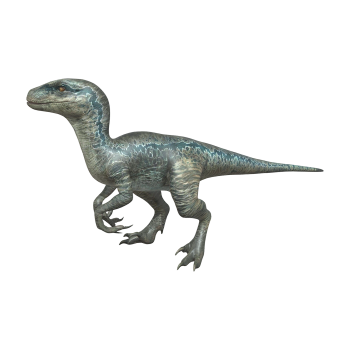
Velociraptor (3D animated model)
132 View
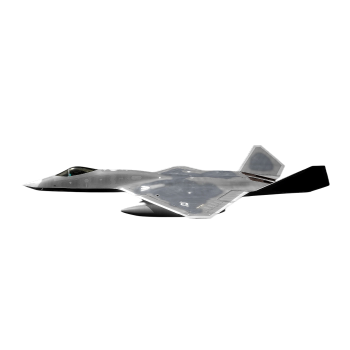
YF-23(3D animated model)
103 View